

National
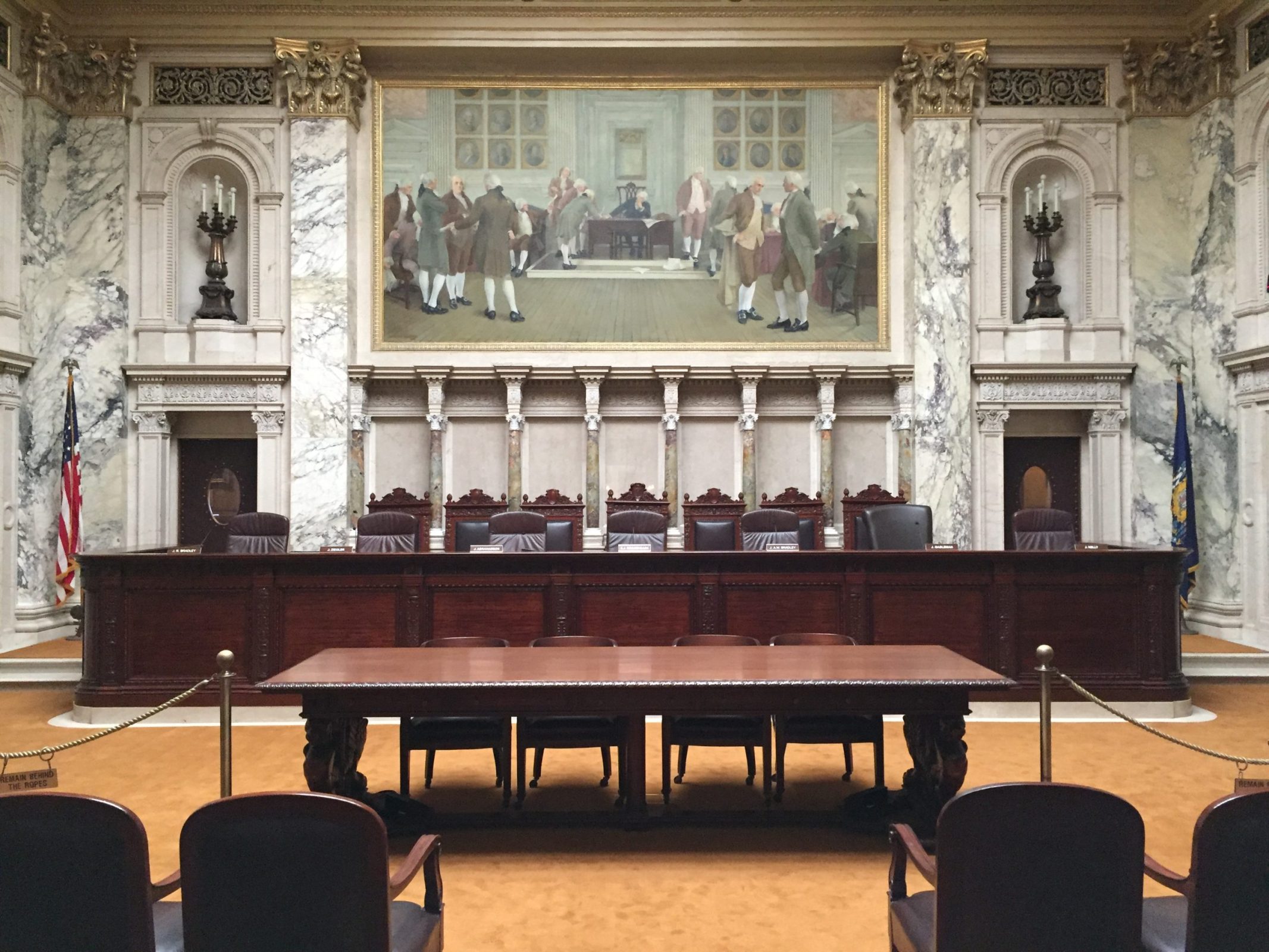
Polarized Courts: The Myth of Fairness in Judicial Elections
Although justices technically run as nonpartisans in the Wisconsin elections, the last two decades have seen an intense politicization of the state’s high court that threatens their independence.

A Red State Goes Green: Nebraska’s Utilities Plan to Decarbonize
In 2019, as the U.S. experienced its wettest spring on record, the Mississippi River and its tributaries overran their banks. One million acres of farmland flooded — an area the size of Rhode Island. In Nebraska alone, the unprecedented rainfall killed three residents, drowned thousands of cows and pigs, and caused over $1 billion in property damage.

Balancing Act: Big Oil’s Future Amid the Climate Crisis
After purchasing $750 million in equity of energy giant Shell, Daniel Loeb demanded something radical: He wanted his investment dismembered. Loeb, CEO of the hedge fund Third Point LLC, penned a passionate Third Quarter letter to his investors wherein he outlined the competing interests within Shell. To Loeb, Shell’s simultaneous commitments to fossil fuels production and renewable energy sources have resulted in “an incoherent, conflicting set of strategies attempting to appease multiple interests but satisfying none.” Loeb’s solution? Balkanize Shell into multiple companies, each with a narrow focus.
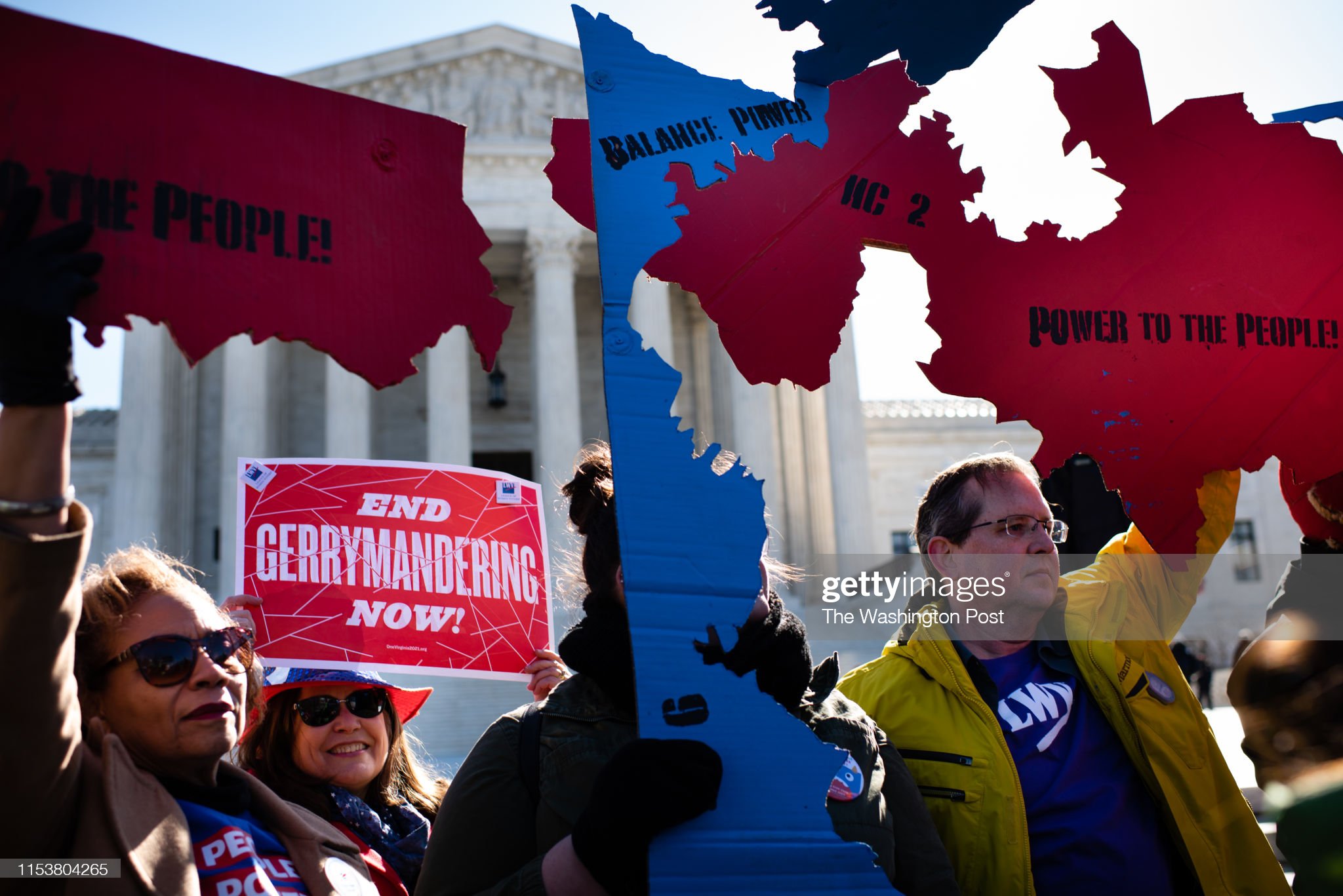
Gerrymandering Today, Unpacked
The argument posited by some Republicans that all gerrymandering is bad — and particularly when it is done by Democrats who claim to oppose it — has transformed the debate over redistricting. No longer just a fight over which neighborhoods are broken up by a new map, the fight over gerrymandering has become another chapter in the war between Democrats and Republicans over the need for reforms to America’s democracy.
Cutthroat: A Battle for the Future of Antitrust
Unlike Black Friday sales, college admissions, and Yale course registration, antitrust law is not commonly described as cutthroat. Indeed, until about five years ago, antitrust, which determines how companies can legally compete in the U.S. market, was a staid regime experiencing a decades-long ossification, or “ice age,” as Lina Khan, chair of the Federal Trade Commission, said in a New York Times interview.

Change Can’t Be Choreographed: The Messy Racial Politics of the Super Bowl Halftime Show
We shouldn’t just relish this Halftime Show as an entertaining concert and ignore its troubling politics, because that’s what the NFL wants. The confused politics fade into the background, and viewers are left with fond memories of a celebratory performance of hip-hop.

Infrastructure and How We Create It: The U.S. and Mexico’s Push to Build
A closer look at infrastructure policies shows that Mexico’s government takes an approach of federal directives at the cost of transparency or regulation, while the U.S. chooses process over progress.

The Challenges to Abortion Access on College Campuses
Though college students have always been at a greater disadvantage in terms of abortion access, recent abortion bans have heightened existing worries about college students’ access to abortion.