

National
Cell Phone Restrictions in California Schools: Leading Voices & The Student Experience
When Paige Saumure, a senior at Rio Americano High School in Sacramento, CA, walks into class, the first thing she does is drop her phone into a pouch that hangs on the wall.

Don’t Speak Now, Hold Your Peace: The Quiet Power of Retribution
“I don’t think there’s been a time in my life where people were more openly afraid to express themselves.” Jimmy Hatch, a former Navy SEAL, reflects. “It breaks my heart.”
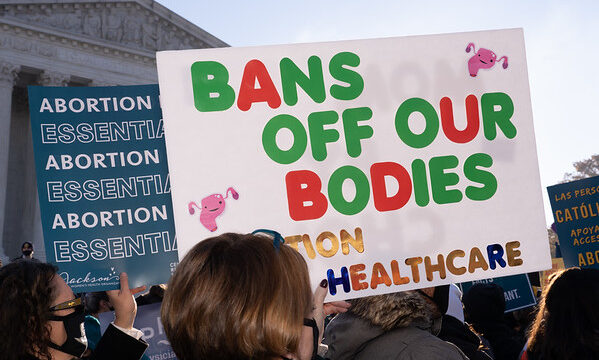
The Costs of Control: Reproductive Health in Trump’s America
On June 24th, 2022, the United States Supreme Court ruled 6-3 in favor of a Mississippi state health officer. With the decision of Dobbs v. Jackson Women’s Health Organization, decades of constitutional protection for abortion rights vanished.
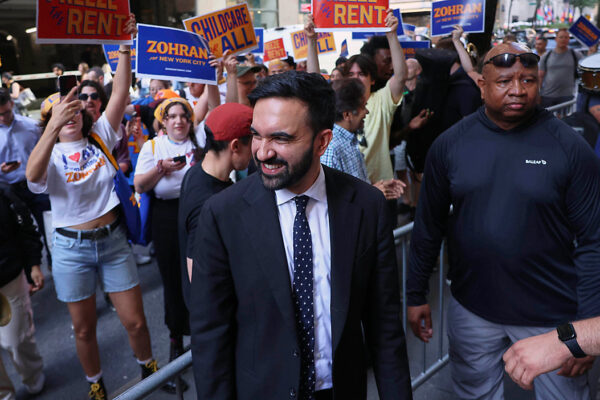
“He feels very close to us”: What We Can Learn from Zohran Mamdani about (Youth) Politics
“If I were mayor,” Mamdani promised, “halal would be eight bucks again.”
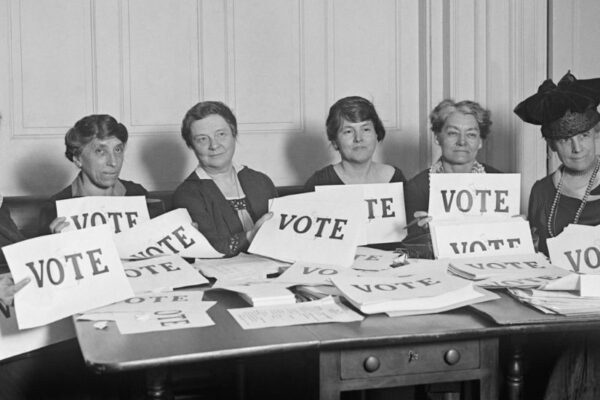
History Repeats Itself: The Gender Voting Gap in America
A 39 percentage point difference. This was the eye-widening statistic that The New York Times reported in its August 2024 poll, finding that 18 to 29-year-old women preferred President Joe Biden by 28 points, whereas young men of this age supported President Donald Trump by 11 points.

Defending Big Data
Across America, Thanksgiving dinners have turned into sparring matches, and petty conflict often overshadows substantive policy discussion. Political polarization costs all of us: it poisons social relations, increases legislative gridlock, and drives elected officials to prioritize winning over representing their constituents’ interests.
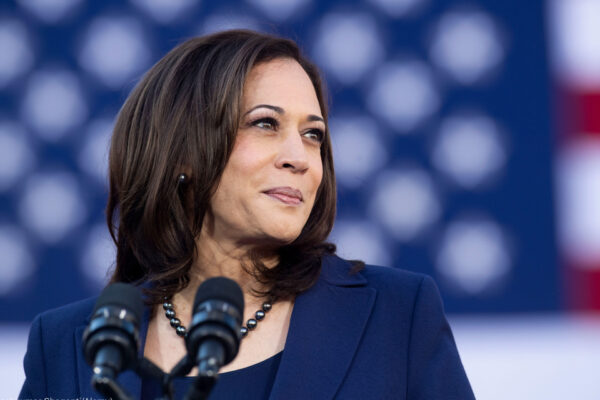
The Headless Party: Inside the Democrats’ Search for Identity in the Age of Trump
The Democratic Party finds itself in a leadership vacuum. The 2024 presidential election was a devastating loss that brought Donald Trump back to the White House, Republicans in control of both chambers of Congress, and the Supreme Court solidly conservative.
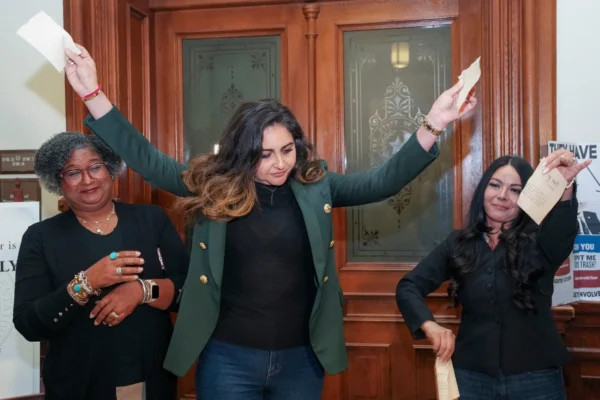
The Politic Episode 11: Texas Democrats Fled the State to Avoid Redistricting—Where Does America Go From Here?
In August, Democrats in the Texas House fled the state to break quorum in a special session. For two weeks they stayed in Illinois, hoping to delay a redistricting motion put forth by House Republicans, which could gerrymander five seats in the midterm elections.