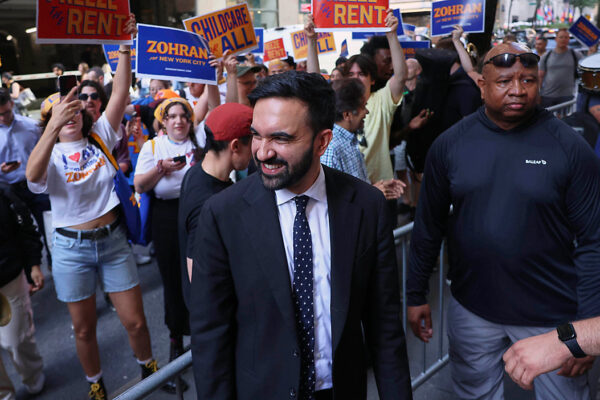
“He feels very close to us”: What We Can Learn from Zohran Mamdani about (Youth) Politics
“If I were mayor,” Mamdani promised, “halal would be eight bucks again.”
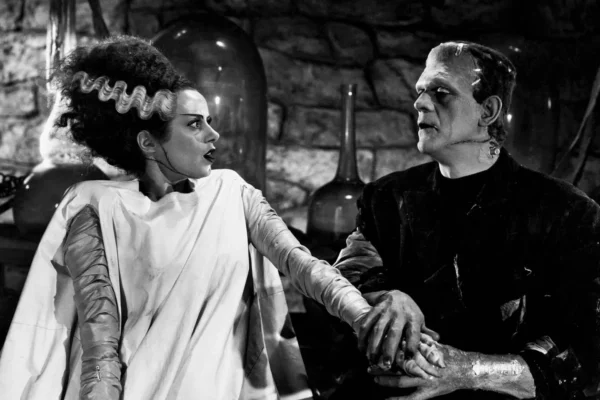
The lights are off. You are cuddled under your favorite blanket, and the brilliant glow from your laptop screen illuminates your dimly lit room. Your heart rate quickens and your eyes stay fastened to the scene as you watch the protagonist run through the woods—gasping for air as her flashlight struggles to emit a splinter of light. Yet, something about the movie feels more than mere fiction. Horror is more than vampire and voodoo; it is often regarded as political.
It feels good to pretend to solve them with architecture, but it’s probably not the right tool. I think we’re not teaching the cultural aspect of architecture enough, how it produces community and identity—even beauty—through a more aesthetically driven agenda.
“We’ve got to have leaders who will not give in to the temptation to exacerbate and then capitalize on those divisions for political purposes.”
The former Secretary of State ’66 reflects on Yale.
Iceland’s president joked he would make eating pizza with pineapple as a topping illegal if he could. Thus a heated debate began.
A conversation with the journalist who runs Politifact, a popular fact-checking website that rates politicians’ statements on their truthfulness.
The parallels between the situation in The Gambia and our own recent inauguration are difficult to miss.