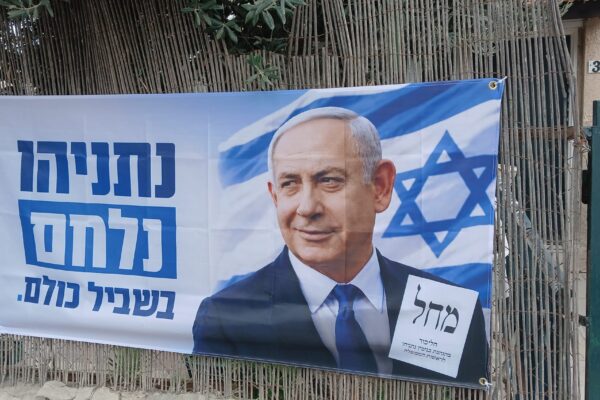
Israel at a Crossroads: What’s at Stake in the October 27 Elections

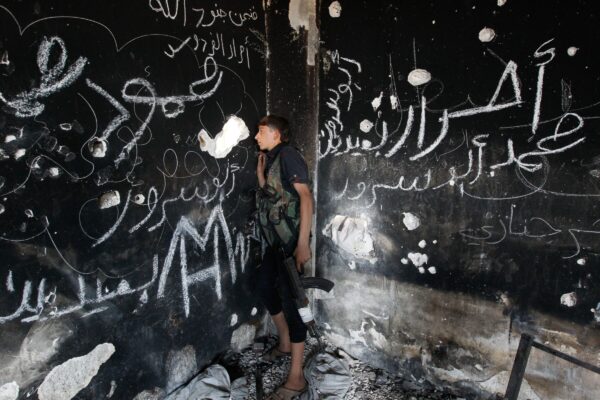
On October 27, Israel will vote to elect a new government for the first time since the 2023 October 7 massacre. 

“If the opposition doesn’t win this time, I don’t think that Israel will remain a liberal democracy,” said Harvard Professor Chuck Freilich, former Deputy National Security Advisor to the State of Israel.

On the other hand, many who do not support the opposition fear that it will not be able to form a government strong enough to lead Israel and protect its citizens during a time of war. In particular, they worry that any opposition coalition that is formed will be too fractured to hold together and that the government will collapse at a crucial moment.
Read More

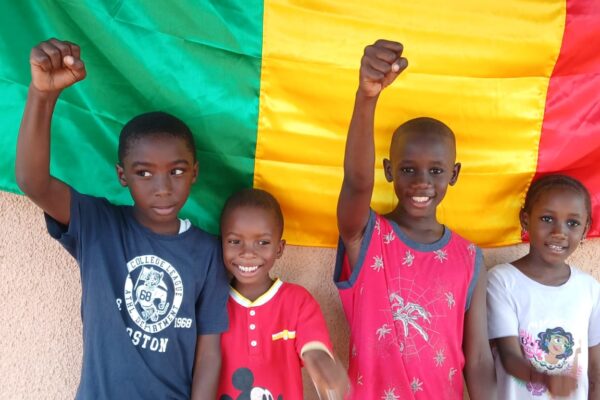
When Rebels Govern: The Case for M23’s Statebuilding Project

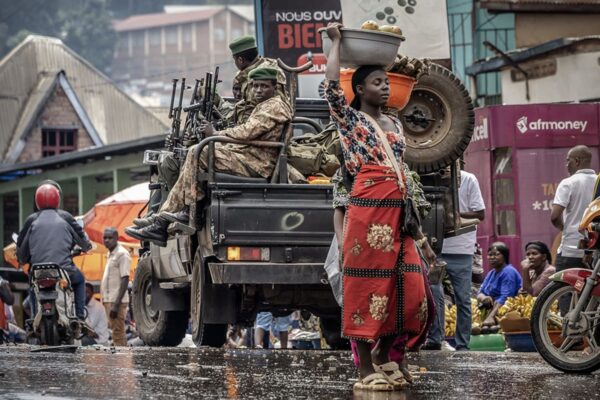
You can blame King Leopold or Belgium or Capitalism or whatever satisfies your conscience: the Democratic Republic of the Congo (DRC) cannot operate as a cohesive political unit. For three decades, armed rebellion has been a way of life in the Congo’s eastern provinces, with state control barely extending beyond the capital Kinshasa. Since 2021, the Rwandan-backed rebel group M23 has captured vast swathes of territory, including the two largest cities in the east, Goma and Bukavu. Western journalists, such as former Reuters correspondent Michela Wrong, have criticized the rebellion’s foreign backing as a breach of Congo’s sovereignty, framing the group as the primary driver of instability. This thinking feeds into the same cycle of delusion that has produced one failed peace treaty after another. Attempting to tie the Congo back together from the capital is not the solution: it is time to rethink political construction in the region. 

Read More

The Waterway Holding the World Hostage

“In general, I’m against war—I’m just against death,” Cyrus Pahlavi told The Politic.

As the grandson of Ashraf Pahlavi, the sister of Iran’s last Shah, who ruled from 1941 to 1979, Pahlavi is no stranger to the turbulence of Iran’s current climate. He spoke of recent protests, widespread blackouts, and the steadily degrading sense of despair among Iranian civilians. 

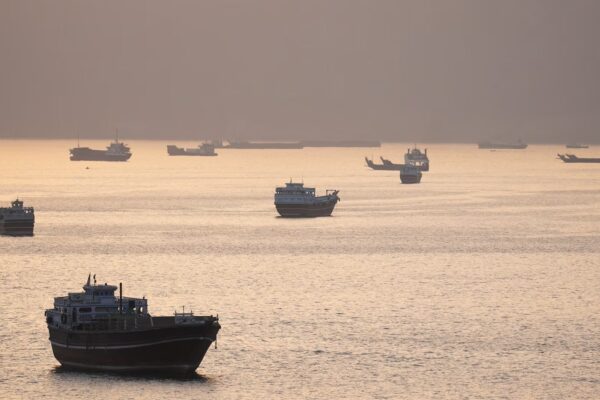
Yet despite this unrest, Pahlavi remained hopeful for a new era in Iran. That future, he argues, will depend on one channel: the Strait of Hormuz. The waterway is a powerful weapon of the Regime—critical for oil trade connecting the Persian Gulf and the Arabian Sea.

Read More

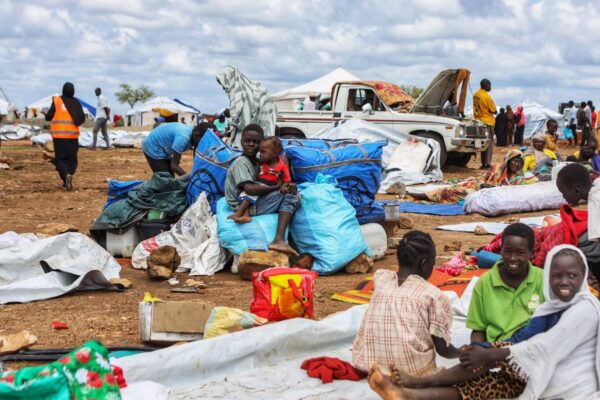
Operations That Start in the Market: Surgical Survival in Sub-Saharan Africa

It was 1:15 p.m. when Professor Sisay Ade, identified by a pseudonym, received a call from Mbale Regional Hospital that his sister, Kofi, also a pseudonym, 58, had gone into cardiac arrest. With a history of end-stage renal failure and diabetes, Kofi had checked into the Msaba Wing that morning to undergo routine dialysis treatment. Thirty minutes later, her heart abruptly ceased to function. 

Read More