
Tom tries to impress Miss Kitty with Jerry, but the mouse escapes and sets prank traps instead. The pair engages in a classic chasing game, filled with tense-yet-delightful energy. However, the background music for this episode of the popular American cartoon Tom and Jerry is not the original—it is Chinese Peking Opera.
This creative original episode, titled “The Cat’s Sweetheart,” was produced and posted by Chinese blogger Xiaoyuan Hua, becoming a rare viral hit among Peking Opera-related short videos. It generated massive attention from young people on RedNote, a popular Chinese social media platform, racking up 16,000 likes and nearly 1,000 comments.
In the video, Hua made bold innovations to traditional Peking Opera’s performance style in several ways. She reimagined the wordless cartoon’s plot using the structure of Chinese poetry, turning it into concise, beautiful and humorous Peking Opera librettos. She blended Dan (female role) facial makeup with trendy cosplay aesthetic, such as playful cat ears and bright bows on her head, instantly catching the eye.
Since 2024, an increasing number of Peking Opera adaptations of renowned foreign literary and artistic works have popped up on popular social platforms like RedNote and Bilibili. Versions of Snow White, Harry Potter, and Tough Love have emerged, with the Peking Opera-style adaptation of the American cartoon SpongeBob SquarePants amassing 17.3 million views and around 295,000 likes on Bilibili.
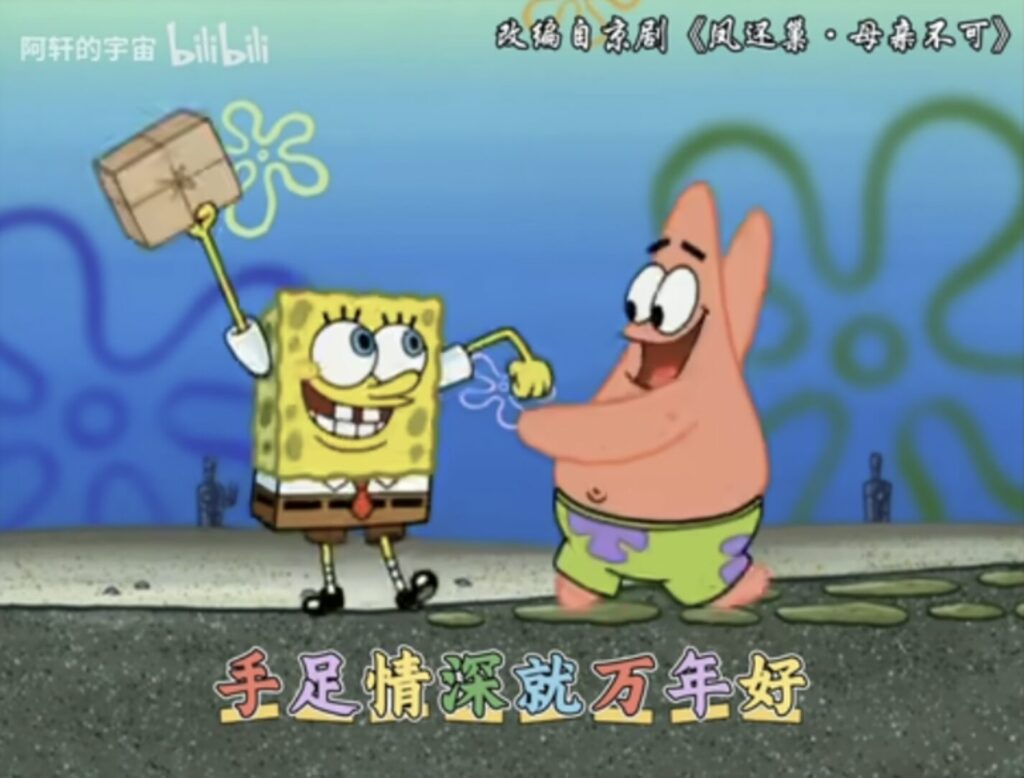
This trend suggests that young Chinese audiences are eager to engage with a version Peking Opera fused with bold, cross-cultural reforms and fusions with foreign anime culture. Today, as interests in traditional opera houses decline, these short videos are vital for the Peking Opera’s dissemination, allowing a generation who never knew or appreciated Peking Opera to rediscover the charm of this national artistic treasure.
For all their success in drawing new audiences, these cross-cultural fusions have sparked divisive debate. Comments like “At least it’s been passed down” hint at frustration over the loss of some traditional elements, while most netizens gush that this form is fresh and fun, letting them experience the beauty of opera for the first time and leaving them eager for more.
To survive, modern jazz is embracing innovation as well. Musicians fuse traditional American jazz with contemporary hip-hop, rap, electronic synthesizers, and loops to create Jazz Hip Hop, while others rework instrumental pieces into vocal-led pop adaptations.
For instance, Jon Batiste’s 2023 album World Music Radio fuses traditional New Orleans jazz with hip-hop, pop R&B and Latin rhythms. Nominated for six Grammy Awards, it hit No.18 on the Billboard 200. Its track Calling Your Name, a collaboration with rapper Lil Wayne that blends jazz piano improvisation with hip-hop beats and Southern rap, has racked up over 320 million global streams on Spotify. The lead single Be Who You Are became a viral TikTok background track, spawning related creative videos with over 50 million views, emerging as one of the most popular jazz fusion works among young audiences.
“In the pantheon of American cultural contributions, surely ranked near the top is jazz, an art form that continues to evolve as a reflection of the social and political environment, while keeping one foot firmly rooted in its rich tradition,” noted Bill Baars of the Lake Oswego Public Library in Oregon when reviewing a documentary about Jazz. A report by Jurek Martin on Financial Times has echoed this sentiment, calling jazz “America’s great indigenous art form.”
When infused with so many modern factors, are Peking Opera and jazz still the authentic art forms they once were? Should an art with a long history step down from its artistic pedestal to cater to consumer tastes? More importantly, what has marginalized the pure, old forms of these arts today?
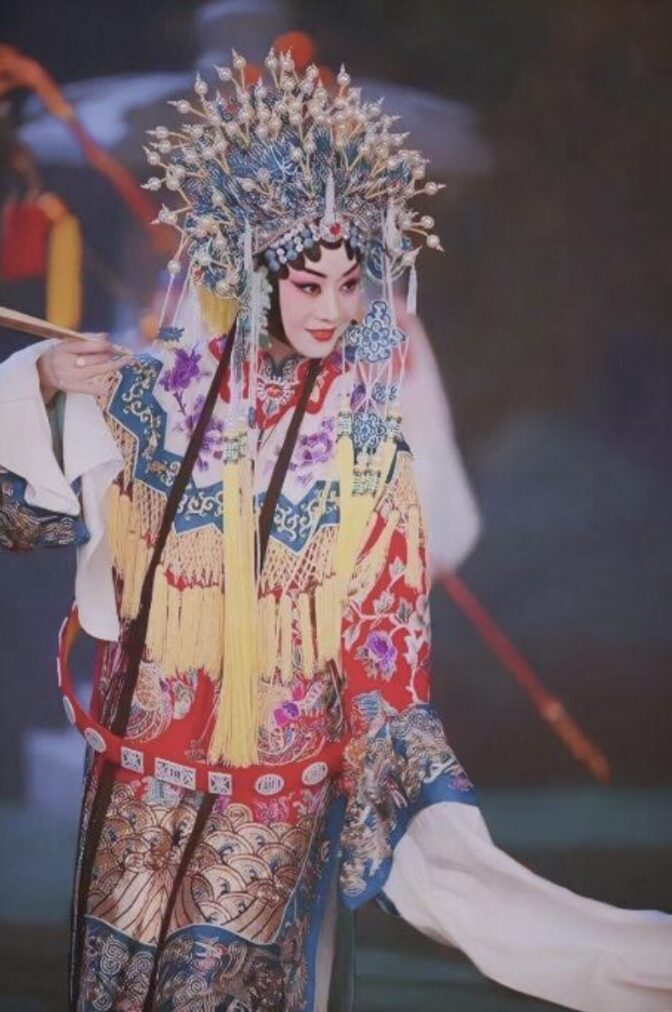
Similar to Peking Opera, jazz also enjoyed an era of extraordinary prosperity. Both Peking Opera and American Jazz enjoyed their golden ages roughly between the 1920s and 1940s.
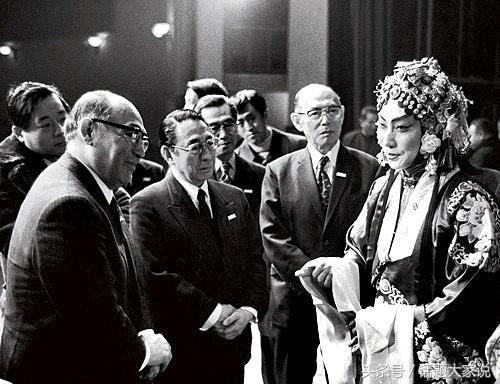
In 1930, legendary Peking Opera master Mei Lanfang performed in the U.S., causing a sensation in New York—during interactions with Mei Lanfang, the American theatre scene was influenced by the freehand style of Peking Opera in four aspects: narration, virtuality, stage design, and performance. Conversely, from 1934 to 1936, the Harlem Gentlemen band, led by famous American jazz trumpeter Buck Clayton, traveled from Los Angeles to Shanghai to perform, captivating audiences with their blend of hot jazz and classical music.
But why has that golden age faded? What has made passing down these two great arts such a challenge today?
The answer lies in the struggle against the frantic pace of modern life. Jazz emphasizes deep improvisation, requiring both performers and listeners to focus on melodic layers—demanding a certain depth of taste. Peking Opera, with its slow, stylized rhythms, carries rich, fixed meanings in every movement of singing, reciting, acting, and fighting, requiring audiences to have profound cultural literacy to appreciate it. In a world of efficiency and quick-fix entertainment, these demanding arts are often sidelined.
The lack of young audiences is a critical issue for both jazz and Peking Opera. A 2024 music industry report shows that among the 11 categories of “selected mainstream music genres” in the United States, jazz ranks 10th, accounting for less than 1% of total on-demand streams. For Peking Opera, between 2017 and 2023, the 11 national key Peking Opera troupes staged an average of 184 performances annually (averaging under 3.5 shows weekly), while 17 provincial-level key troupes averaged 174 shows per year. The average audience age exceeded 55, with attendees under 30 accounting for less than 5%.
High barriers to entry and long training periods further complicate sustained popularity. Peking Opera is passed down through a strict master-apprentice system and intense physical training from childhood, as portrayed in Farewell My Concubine, the famous 1993 Chinese film about Peking Opera.
Similarly, jazz demands equally comprehensive music theory knowledge and innovative thinking. Becoming a top musician requires years of dedicated practice, which few young people are willing to commit to.
“…traditional approach …presents significant challenges for jazz musicians, particularly regarding performance demands. Today’s musicians often have to manage multiple musical requirements… various internal challenges, including difficulties with retention, psychological and cognitive fatigue, inconsistent progress, and a lack of effective mindfulness strategies for self-regulation.” Christopher John Navarrete, a music student at University of Northern Colorado, wrote in his doctoral dissertation.
In today’s commercial landscape, both Peking Opera and jazz are fragile arts. Traditional Peking Opera performances are costly—requiring substantial resources for makeup, styling, costumes, supporting roles, and venues, not to mention live accompaniment by professional traditional Chinese music orchestras. Jazz, meanwhile, relies heavily on dwindling niche venues. Additionally, diverse forms of fast-paced modern entertainment have squeezed the living space of traditional arts, reducing jazz and Peking Opera from “mainstream arts” to “niche hobbies” in their respective countries.
As a teenager with several years of Peking Opera training, I’m often asked by peers and elders alike: “Why do you choose to study Peking Opera?” In an era where parents choose to send their children to learn piano, ballet, or badminton, young people’s interest in Peking Opera has become a source of confusion because they think it is an art for the old. The lack of understanding and modern recognition make this art form even distant from Chinese people themselves.
Among my peers, I am fortunate to meet friends who can truly appreciate Peking Opera. Even rarer are contemporaries who can actually sing and perform it. After all, like young people around the world, Chinese youth are increasingly drawn to contemporary popular culture such as anime and K-pop.
I have had in-depth conversations with several close friends who love Peking Opera, and they believe their affection for this ancient traditional art stems from something deep within their cultural heritage. They share a strong identification with history, a slow, deliberate way of life, and emotional expression that unfolds gently and steadily.
As for American jazz, we can see another recent developing pattern of this kind of old art.
An American student in Yale Symphony Orchestra, Yuvin Kang, shared the jazz’s current situation in the U.S. “Jazz is mostly seen as a subculture to ‘pop’ music, maybe comparable in popularity to rock music or classical where there’s definitely strong community and concerts but not mainstream,” Kang mentioned, “…people rarely find it unpleasant but most wouldn’t listen to it as their primary music.”
Another Yale student who is familiar with jazz, Shaun Paxton, held similar views to Kang. He pointed out that traditional American jazz occupied a unique position: it is widely revered as a principal contribution of American culture, but is no longer the mainstream musical form it once was. A lot of young people in the U.S. see jazz as something distant — something respected and appreciated as a significant American art form, but perhaps rarely consumed in a contemporary context.
“It’s sometimes perceived as music for older generations rather than something to listen to for pleasure,” Shaun added.
“Today, I see the traditional jazz scene being largely sustained by two pillars: higher education and preservation. Music schools and conservatoires play a key role in keeping the tradition alive, training the next generation of players. At the same time, institutions like Jazz at Lincoln Center in New York champion the art form through world-class performances and educational programming,” said Shaun.
This jazz developing pattern is really familiar to Peking Opera’s current inheritance in China — the aging of the audience, the marginalization of the art form, the formal protection, and institutionalized support for inheritance practices.
The above clearly shows the difficulties faced by Peking Opera and jazz in their modernization within their own countries. Beyond the shifting taste’s of young people, there are additional pressures brought about by other social factors, causing the hard time of these two kinds of art.
China’s modern history is intricate and turbulent. The twentieth-century Chinese opera reform featured a process in which political pragmatism superseded artistic innovation, transforming Peking opera into an instrument of ideological propaganda rather than an endeavor for cultural heritage preservation or artistic creativity. The 1950s–1970s “opera reform” prioritized politics over art, rupturing tradition and harming Peking opera’s transmission, according to Nanjing University drama scholar Wei Li’s dissertation.
China’s current policies that support traditional operas like Peking Opera are a mixed blessing. On one hand, the government provides “iron rice bowls” which manifests into very stable jobs in China for Peking Opera performers, ensuring intergenerational inheritance. Every year, national project funding supports large-scale performances across the country.
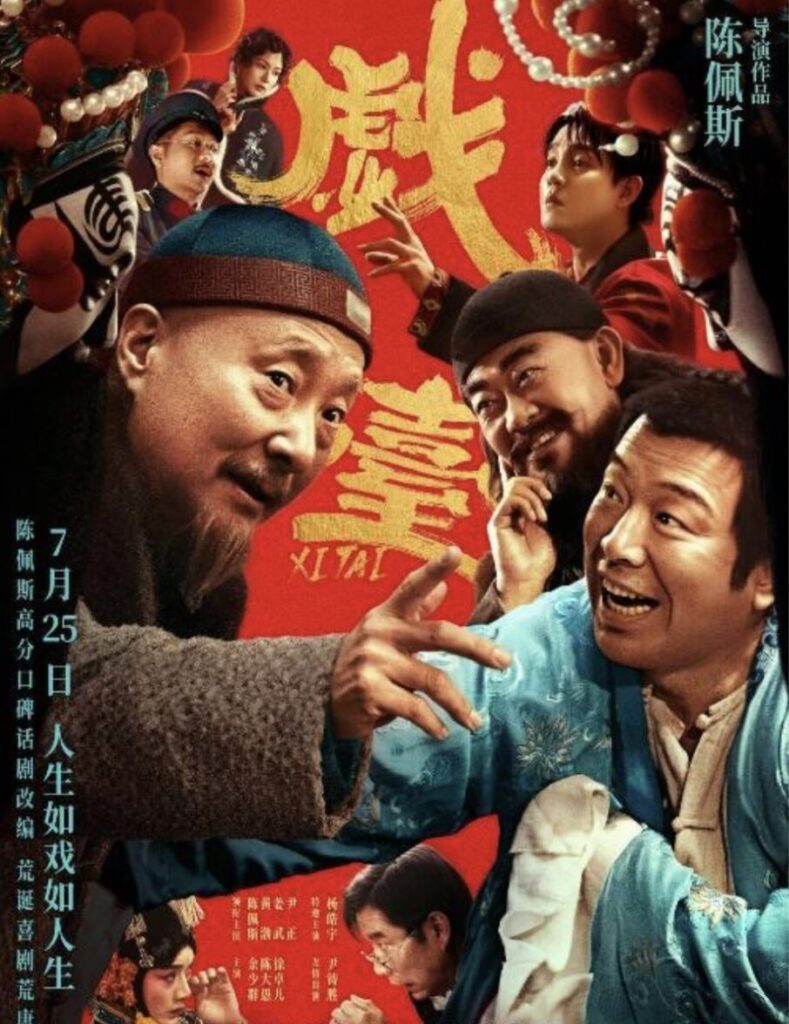
On the other hand, this government protection means that with stable salaries, performers have little incentive to innovate. Today’s Peking Opera performances are barely different from those a century ago—still featuring classic repertoires rooted in traditional ethics and ancient contexts. By contrast, the newly released 2025 film Stage, directed by Peisi Chen, integrates traditional Peking Opera with absurd yet delightful comedy, which has made the film a major hit in China.
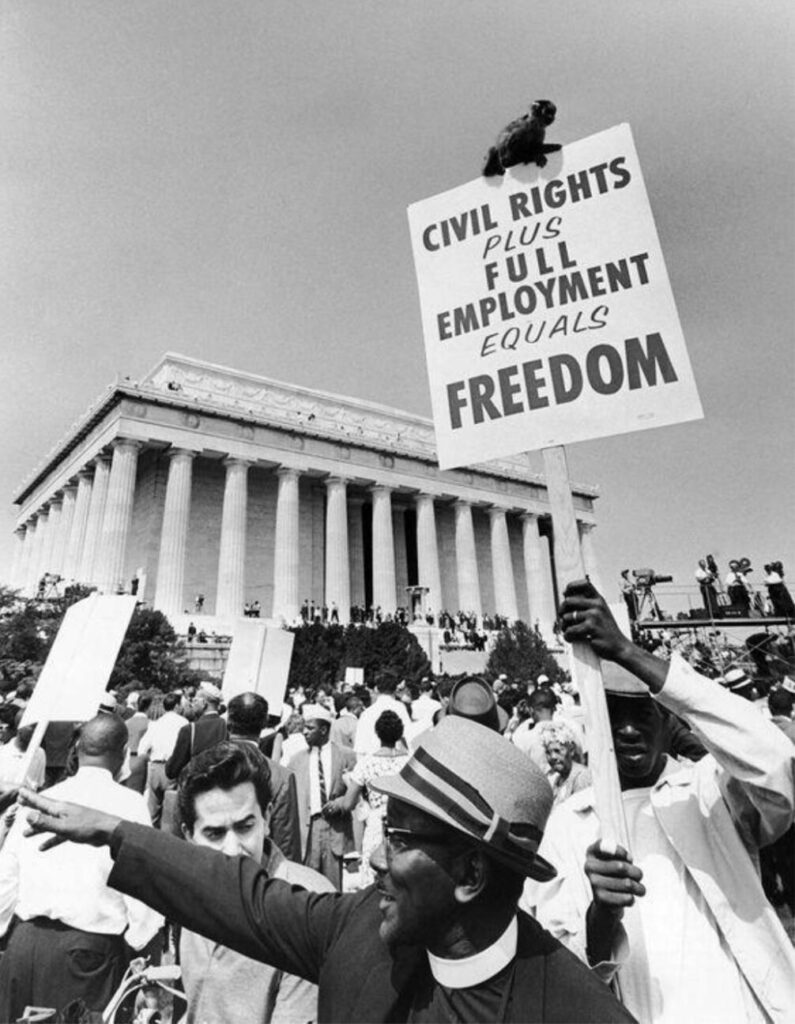
It is also worth exploring, from the political and historical perspective of African American communities and civil rights movements, why traditional jazz has gradually become a marginalized niche art form in the United States today.
Jeff Farley argued about this topic in his article in Journal of American Studies. The 1987 “Jazz Preservation Act” defined jazz as “an African American art form,” which elevated its cultural status but also contributed to its museumization and niche positioning. Following the Civil Rights Movement, the political radicalism of jazz was diluted within mainstream narratives, leading to a severed cultural connection with younger African American communities and exacerbating challenges in its transmission.
However, contemporary market trends have now become an essential factor that cannot be overlooked. Radical forms, such as free jazz, have deviated from mainstream aesthetics, while the commercialized iteration of traditional jazz has lost its political edge, resulting in an awkward predicament.
Although the contemporary landscape poses significant challenges to both Peking Opera and Jazz, young inheritors and artists from China and the United States share not only a strong conviction, but also genuine opportunities for future innovation and development.
“Peking Opera emphasizes holding onto its tradition, yet tradition alone is not enough. As times evolve, people’s aesthetic tastes and lifestyles have changed, and Peking Opera must innovate,” said Peiyu Wang, a famous young actress in Shanghai Peking Opera Theatre.
Wang has dedicated to promoting Peking Opera in creative ways in the new era. “Art only gains vitality when it serves the people. I have broken down the stage presentation of Peking Opera into short videos, integrated Peking Opera costumes and facial makeup designs into cultural merchandise, and incorporated live streaming and bullet comments into Peking Opera recitals…I hope Peking Opera will not only be an art on stage, but also a cultural symbol integrated into people’s daily lives.”
This explains the excitement people feel when encountering innovative Peking Opera adaptations. While they may carry a touch of whimsy, or unconventional cross-cultural fusions, making the art accessible, understandable, and enjoyable for more audiences is perhaps the key for navigating a way forward for traditional arts amid modern inheritance struggles.
On the other side of the ocean, young jazz-loving students at Yale are passionate as well.
Kang’s ideas on the innovation of jazz in the future open a new window for us to consider jazz’s inheritance issue. “I think it would be very hard or impossible even to convince artists to change their expression just to be more ‘popular’…I don’t think the goal of musicians is necessarily to grow their genre, but rather use the genre to express whatever they want.”
“I do believe jazz is already being updated successfully by newer artists, especially by those who bridge the gap by fusing jazz with modern art forms,” Shaun answered promisingly. “For example, the intersection of jazz with hip-hop and R&B has been massive. I have even tested this fusion idea at Yale with success, blending jazz improvisation with electronic dance music in performances.”
Like Shaun, students who have strong love and dedication for jazz or Peking Opera are active on their respective campus.
Yale has a thriving jazz program that is only growing. The Yale Jazz Ensembles include a traditional big band and two smaller combos focused on improvisation. These groups perform at iconic venues like Dizzy’s Club in New York and Scullers in Boston, playing everything from classic Duke Ellington charts to original student compositions. Beyond the official ensembles, the student-run Yale Undergraduate Jazz Collective (YUJC) supports this tradition by hosting an annual jazz festival, bringing rising artists to campus, and running regular jam sessions for students.
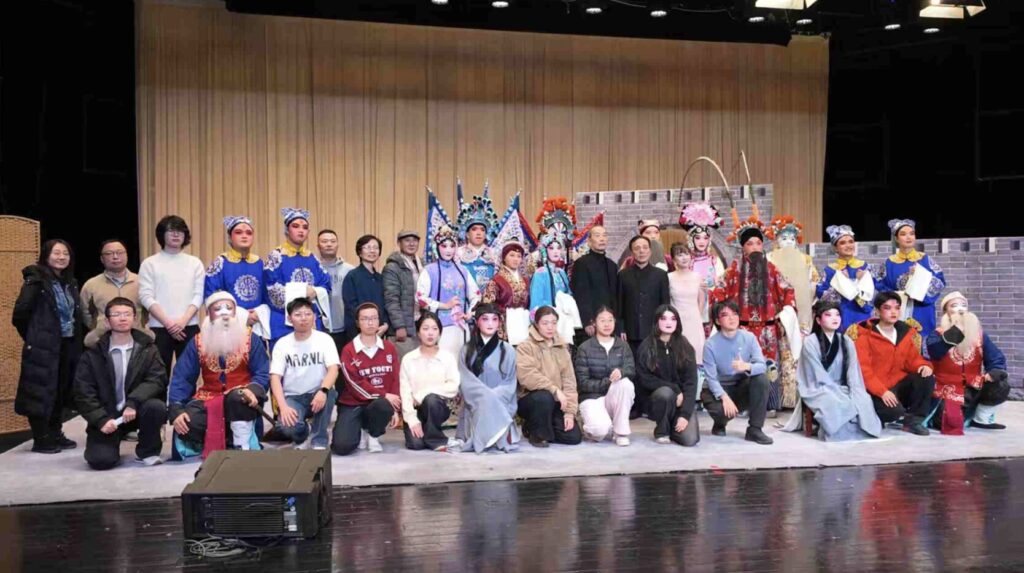
Tsinghua has its own Student Peking Opera Troupe, welcoming talented and diligent students every year. The team employs professional Peking Opera instructors to provide dedicated training, with fixed weekly sessions and performance opportunities each semester. This not only enhances members’ performing skills but also promotes Peking Opera culture across the campus. Additionally, the Tsinghua Student Peking Opera Troupe actively participates in various Peking opera competitions held in Beijing, achieving outstanding results. Through engagements with professional artists, its members continue to carry forward this enduring legacy.
Returning to the questions raised earlier: how can we innovate traditional art forms while preserving their core essence and meaning? This is a boundary worth examining closely.
To gain deeper understanding of the creative transformation and innovation of different cultures in the modern era, I carried out an email interview with Regina S. Llamas, Vice Dean and Associate Professor in the Spain IE School of Humanities, who focused on southern China drama and dramatic performance in her earlier work, provided her views on the innovation and cross-cultural exchange of traditional art forms.
“I love cross-cultural mix ups. The more we adapt and introduce elements from other cultures into our own, the more it will stimulate our curiosity about other cultures and the more open minded we become. Similarly, the more we ‘modernize’ and culturally translate our canon, the more curiosity it will elicit.”
The original version should persist. But adaptations, rewritings, or even just ideas inspired by other cultural canons should also be accepted and coexist. They are important steps towards generating an interest in the original form,” Associate Professor Llamas wrote in the email, sharing her bold and promising attitude on this topic.
Her words can also encourage young people from China and the United States to carry out bold innovation and reform of our own traditional cultures, helping more people appreciate and inherit them. This is an ambitious yet viable ideal and cause.
In the near future, we may see more eye-catching innovations in American jazz and Peking Opera on our screens—and we could hear more young Americans and Chinese discover genuine interests in these art forms.